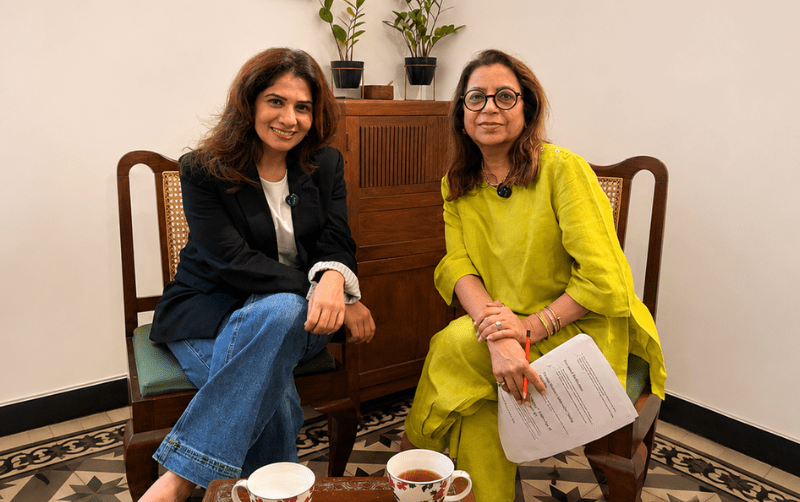
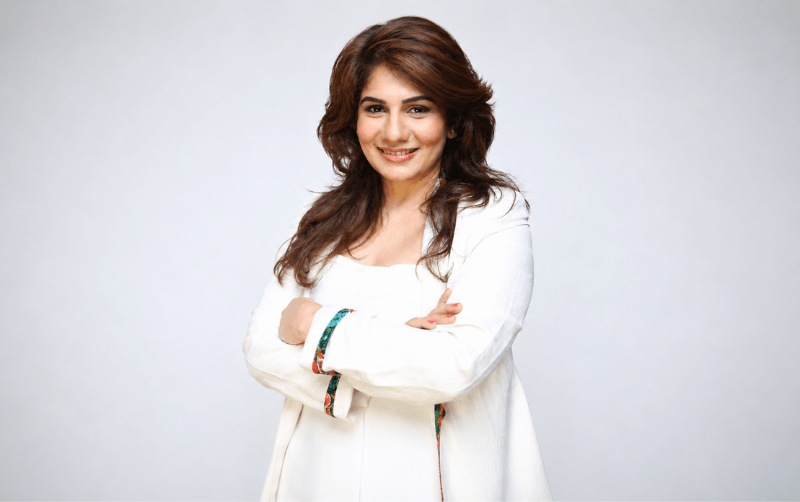
Today Dr Raashi Khatri Panjabi is a leading specialist in orofacial pain here in India and is among the first Diplomates of the American Board of Orofacial Pain (ABOP). She completed her MsD and Fellowship in Orofacial Pain, Headaches and TMD at the University of Medicine and Dentistry of New Jersey (UMDNJ). But had I heard of her? Never! I wonder how many know of a pain doctor, let alone a specialist? Because I probably had never needed one. But pain is not something that comes on only for the old. In this day and age, we are dealing with more than one thing: pollution, stress, and you name it. And everything leads to our bodies going out of whack, letting inflammation set in. All these reasons lead to pain disorders.
I went to my dentist for a painful jaw and was immediately referred to Dr Raashi, due to a concern for a dislocated jaw. Surprised at that verdict, I went and discovered so much that I hadn’t heard of. Wiser and smarter, and not wanting surgery later, I am now working along with the good doctor to reverse my situation by wearing a splint at night. And doing the needful. Saved in the nick of time, would one say? So what does this pain doctor actually do? Since returning to Mumbai in 2009, she has played a key role in advancing the field of pain medicine in India. She is the Founder and Director of the Centre for Orofacial Pain India, one of the country’s first multidisciplinary, multi-centre practices, dedicated to the diagnosis and management of complex facial pain conditions, including headaches, temporomandibular disorders, sleep disorders, and neuropathic pain.
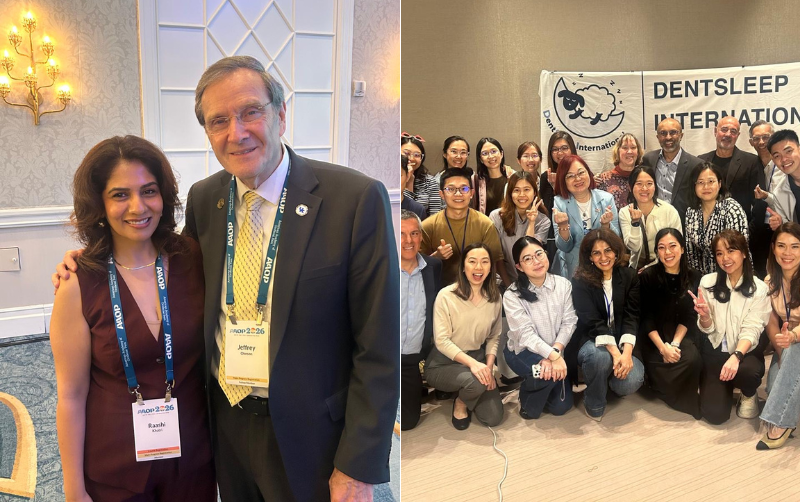
Being an Arya Vidhya Mandir (School)head girl, Raashi is a self-declared nerd who then went to the only college for Nerds- DG Ruparel. Dentistry (at 23) was done at the rate of not enjoying it, so she jumped headlong into a ‘bridge’ programme in the US. A story that shouldn’t ever be forgotten, one in which Raashi herself had a TMJ disorder (Temporomandibular Joint Dysfunction), and nobody could fathom what it was, so what resulted was the extraction of 4 wisdom teeth, then braces put in, and yet nothing got solved. Even after a surgery later, her jaw was still clicking, and the pain was not abating. She started reaching out to doctors in the US, Dr Gary Heir & Dr Geoffrey Okesan, the founders of this malady. They found that nobody in India was even aware of it at the time, so they offered her the chance to move there and study this speciality.
When she brought it up with her parents, they straightaway dissuaded her, not understanding the gravity of her situation or keeping her future in mind. But nerdy as Raashi was, she was resilient in good measure. She promised her father (Manohar Chabria) that she would return and serve the people. She funded her own education by applying for the JRD Tata Scholarship (being the only Dr that year). But the Shikhar Puri Sindhi father then taunted her about how she would honour the scholarship if she could not fly out of the country. For that, she applied to the British Airways and Air India scholarships. Never underestimate a determined student. Being a great student right from her ICSC, she just would not give up (she got them both). What we need to know here was that she was interviewed by Mr Ratan Tata himself, as he wanted to know first-hand who would make a difference to the country.
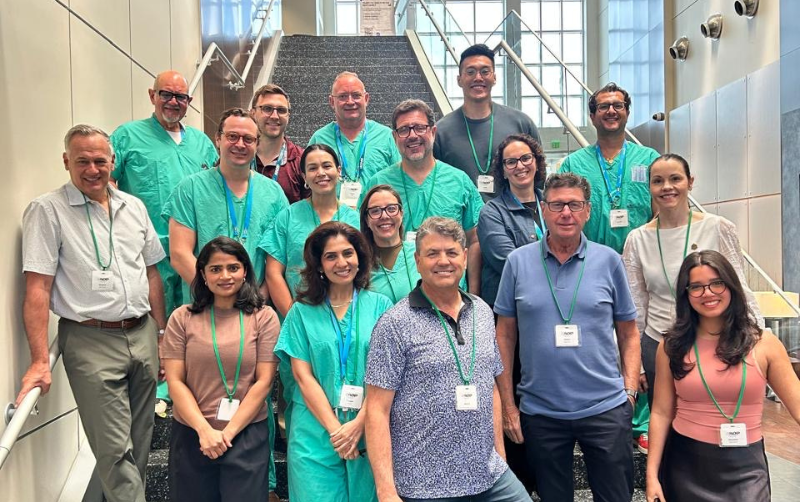
A completely different world greeted her in the US. Seeing her complete dedication, the father who wanted to teach her the value of money turned around and completely spoiled her from then on. Rashi went on to become the youngest (29) Orofacial Fellow to graduate, among 30 students across two Colleges that actually taught it. She stayed on for 4 years, finishing her residency and fellowship and became a fellow of the American Board; she pursued her MSD degree (researched HIV neuropathies). Her academic work included multiple international presentations and peer-reviewed publications in neuropathic pain, temporomandibular disorders, and HIV-associated sensory changes. Along the way, she even received a grant that allowed her to work with human subjects alongside the founders. When she finished, she was offered a plum job, but her paternal grandma fell ill. Rashi gave up everything for family and realised on that trip that her father was right. There actually was a lacuna in the spot that she had specialised in. She felt that she would make a difference. And so she returned to her home base.
Since returning to Mumbai in 2009, she has played a key role in advancing the field of pain medicine in India. She is the Founder and Director of the Centre for Orofacial Pain India, one of the country’s first multidisciplinary, multi-centre practices dedicated to the diagnosis and management of complex facial pain conditions, including headaches, temporomandibular disorders, sleep disorders, and neuropathic pain. The centre follows an evidence-based, interdisciplinary approach, incorporating both surgical and non-surgical treatment modalities.
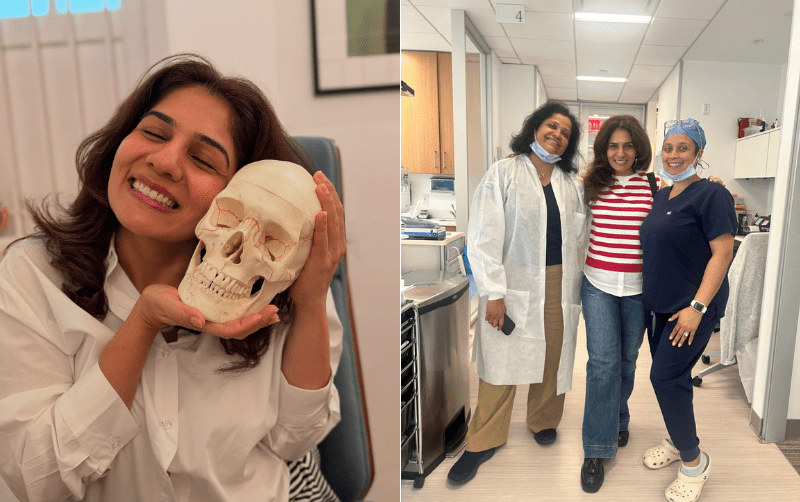
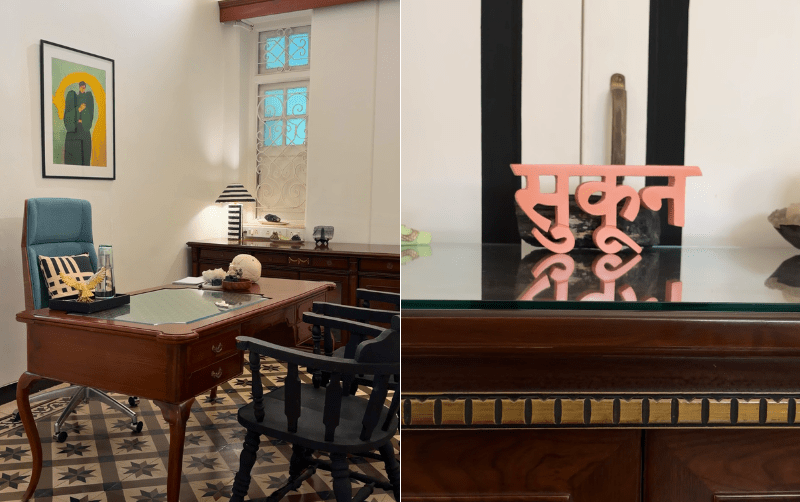
She has been associated with PD Hinduja Hospital and Medical Research Centre for over a decade and heads the Department of Facial Pain, where she works within a multidisciplinary team managing complex cases including cancer pain, palliative care, trauma, and sleep-related disorders. She also consults at Sukoon Clinic, where her practice emphasises holistic, patient-centred care integrating medical management with lifestyle and supportive therapies.
Dr Khatri is an active member of several national and international professional organisations and a regular speaker at international conferences, continuing medical education programs, and clinical workshops. Her work continues to focus on advancing awareness, education, and clinical standards in orofacial pain management in India. Something I learned from Raashi was clearly that if she were to design India’s pain management framework, she would start by changing the fundamental mindset-that pain is not a symptom; it is actually a disease that deserves timely diagnosis and evidence-based treatment. She would create a multidisciplinary system that prioritises training doctors for early diagnosis, evidence-based care and seamless referrals, bringing together dentistry, physiotherapy, psychology, and sleep medicine.
The goal wouldn’t be just pain relief; it would be restoring function, improving quality of life, and preventing chronic pain from becoming lifelong. The future of pain management is definitely better diagnosis. Precise, personalised and preventive care will replace symptom suppression, with proper treatments that restore function and improve lives-She was excited to share –‘We are already doing regenerative joint treatments at the clinic, which is cutting edge, and there are constant advances in imaging, Biomarkers, digital health and a deeper understanding of pain neuroscience.’
Raashi comes from a very illustrious family of doers. People who had absolute clarity in life. They were always pushed to do more, right out of their comfort zones. Starting with her mother (Aruna Khatri), who has always had a career of her own (Shanti Avedna, a hospice) and looks after special children (Down syndrome, autism, etc.). She went back to school to educate herself while Rashi went to Medical school. An uncle like Atul Khatri, who gave up his career (54) for stand-up Comedy, and an aunt like Anjali Chabria, well known in psychiatry.
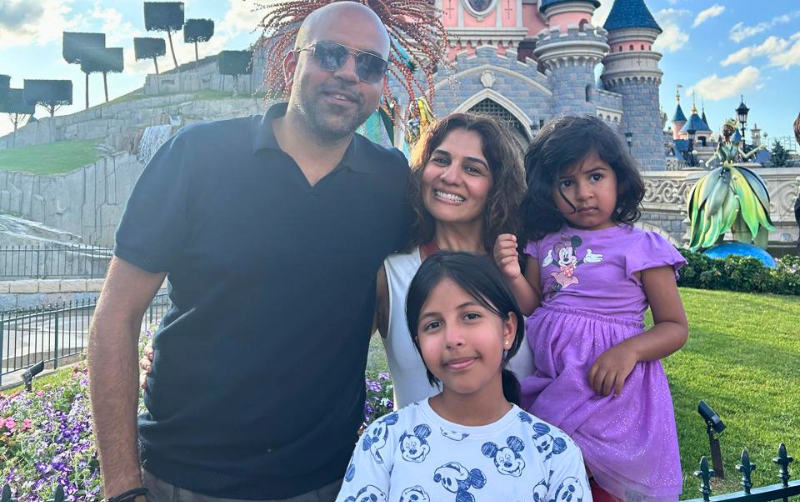
Raashi Off duty-Loves dancing, travelling with her kids (Sufi11 and svaha 4). Laughter brings her joy as he shares that her daily habit is – Prayer
Currently on her bedside- Seva by Noor and Bheja Fry (Dr Mazda Turel)