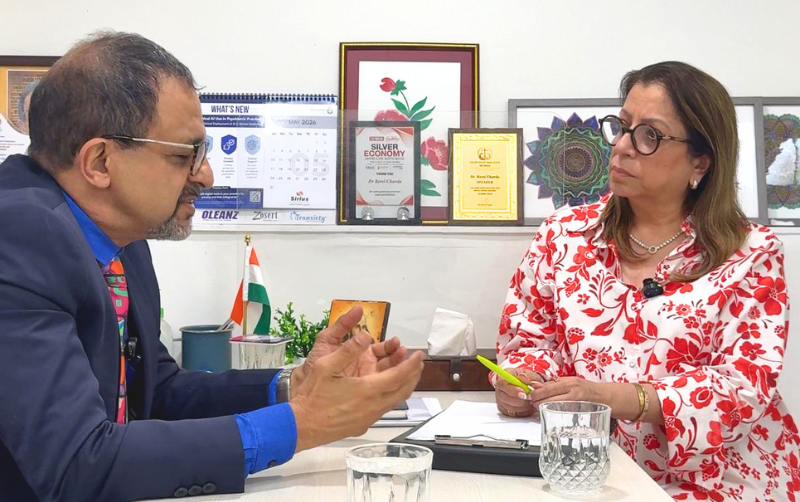
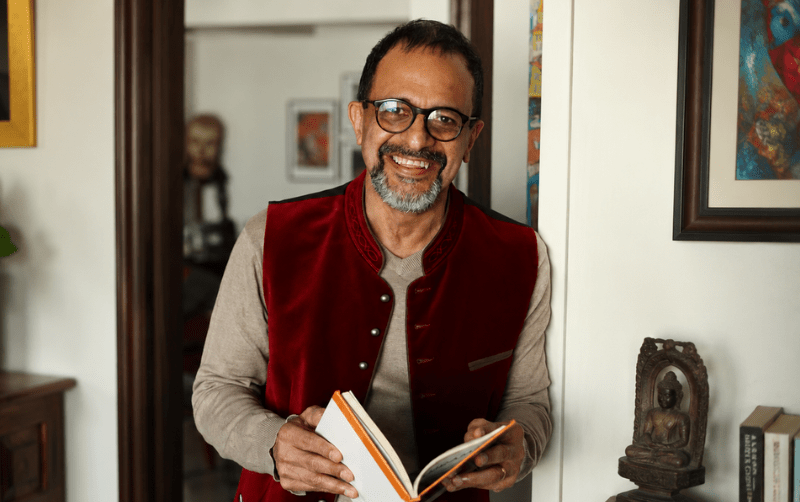
When I reconnected with Dr Kersi Chavda, I felt that nothing had changed from the last time that I had met him. He had just collected more accolades in his line of work and also given more of himself to his profession. I chose him simply because he was a very good human being and the best in his field. He is one of Mumbai’s most senior and well-known psychiatrists, with more than three decades of experience in adult, adolescent, and child psychiatry. Currently, he is associated with both Sir H. N. Reliance Foundation Hospital and P. D. Hinduja National Hospital (Khar & Mahim).
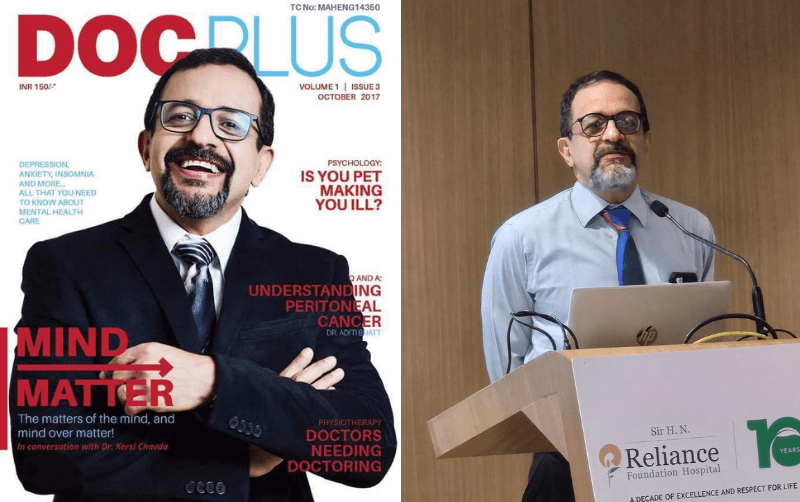
Among Mumbai mental-health professionals, he is generally regarded as a highly experienced, mainstream psychiatrist with a strong academic and institutional background. Community discussions online often describe him as knowledgeable and particularly good with complex psychiatric conditions, though, as with any psychiatrist, patient experiences vary. What I found out after talking to him is that Chavda’s main interest these days in the mental field is children. I suppose when you have had your fill of the adults in general, Children seem so much better to deal with. A man with a wit that charms people, he goes on to explain what he’s been up to –
‘I am so proud to tell you that I was part of the first governmental panel that laid down concessions for learning disabilities in Maharashtra. I was part of the Indian Psychiatric Society (IPS) group that laid down ethical guidelines for interactions between patients and doctors. It was then taken up by the IMC. I am also happy to share that I have been the chairperson of the task force, which dealt with the problems associated with the LGBTQ community (Section 377). Of course, I was trolled mercilessly for this. We just put down rules stating that it is a variation rather than a criminal act. Three of the five learned judges actually quoted our statement when they repealed the act. I became the poster for the community,’ he chuckles good-humouredly.
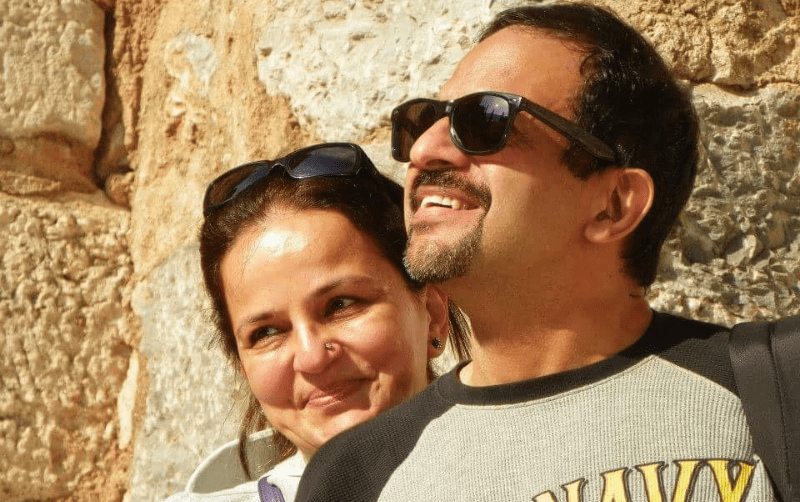
Essentially a Mumbaikar (for 50 years), but born in Calcutta, a person who speaks more languages than one, French included, because his mother taught French, Punjabi a little, being married to a sardar, his life is quite chequered. Being a great student in school led him into the science stream, but as a nerd, his love for football saved him from being called nicknames. He fell in love with St. Xavier’s for his pre-medical; loving his time there, and that love continued soon after at JJ Hospital as well. While he was doing his basic MBBS, he developed a love for geriatrics and also the science of human behaviour (Psychiatry). So, post-graduation was the time for pursuing it. And of course, everyone around him said he would go mad if he took it up. Much has changed since then, and today it’s a very respected field to be in, as even toppers choose this very subject. Phenomenal changes are happening, day by day, and so much is available to people in the way of meds and treatments.
Slowly, Chavda started his first clinic from home (25), and soon after, started a clinic with others. In 1988. As he started talking about learning disabilities, he was picked up from the audience by a paediatric neurologist, the Late Dr Bernard Dsouza, who invited him to consider working at Hinduja Hospital – Mahim. Becoming part of that team at Hinduja (1988) changed his career trajectory. Then, of course, Hinduja Khar came into being, and by natural progression, he is there as well. Today, he continues to practice in private at two other clinics of his own.
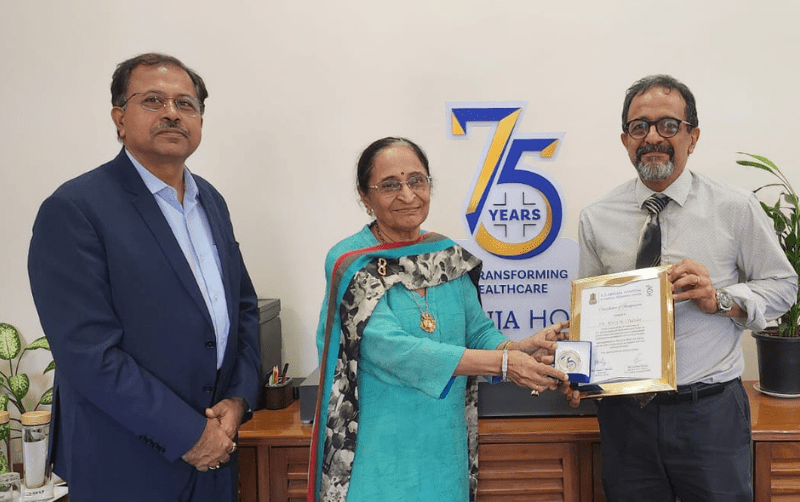
His professional background included completing his medical education with an MBBS and a Diploma in Psychological Medicine from the University of Mumbai. He has been the Former President of the Bombay Psychiatric Society and a Fellow of the Indian Psychiatric Society and the American Psychiatric Association, not to forget being a Founder member of Prafulta, a major mental-health NGO in Mumbai. As for his public policy and advocacy, he has had an influence beyond clinical practice: having chaired the Indian Psychiatric Society’s task force on school psychiatry and counselling, contributed to guidelines on autism spectrum disorders, and played a role in policy efforts regarding learning-disability concessions for students in Maharashtra.
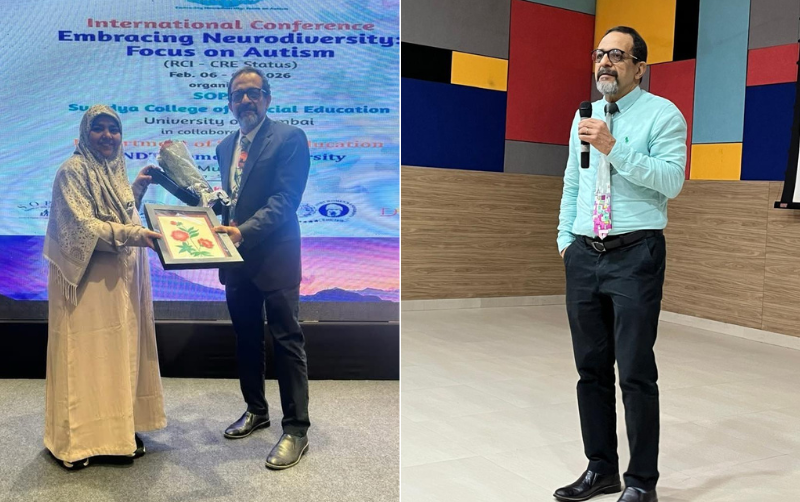
Considering my thoughts that all people should be advised and allowed to seek therapy at any time in their lives, he agreed very seriously. Only that his view was strongly this: that therapy alone is not the need of the hour; it has to be coupled with medicine. For example, if we are talking about schools, we don’t even realise that so many kids have ADD (attention deficit disorder), which definitely needs medication to settle down. Then there’s the topic of suicide, which shows up in the late teen groups, which definitely would need more than just therapy. Here is where Chavda’s expertise is widely appreciated. He’s been affiliated with many schools and institutions like Thakur International School, the Smiling School’s project, where he served as a key expert and trainer in this large-scale mental wellness programme for the BMC and schools in the Mumbai region, Beacon High School, and Geet Schools. Colleges and Universities across Mumbai held his hand as he served as the Chairperson of the Indian Psychiatric Society’s School Psychiatry and Counselling Task Force.
We then moved on to some ironies like: cardiologists never get heart attacks, dentists never get cavities, or even Psychiatrists never have emotional baggage. How true did he think that was? And how did he deal with stuff like that? He candidly replied- ‘Of course, we get depressed. It’s not mandatory as such that one psychiatrist needs to bounce views off another, but I have trained under another child psychologist, and I went into closed sessions with him from time to time many years ago, and now it’s just depending on very close friends to listen. Trust and loyalty are imperative.’
Chavda is a man who loves people and has no dearth of politicians, film stars, and celebrities coming to him for help. COVID was the worst time, when the economy floundered, people lost their jobs, and he felt that because of the uncertainties of life in general and especially for the kids with special needs. He was the most active during COVID and had also set up to 5 helplines during the time. But we are now finally past all that.