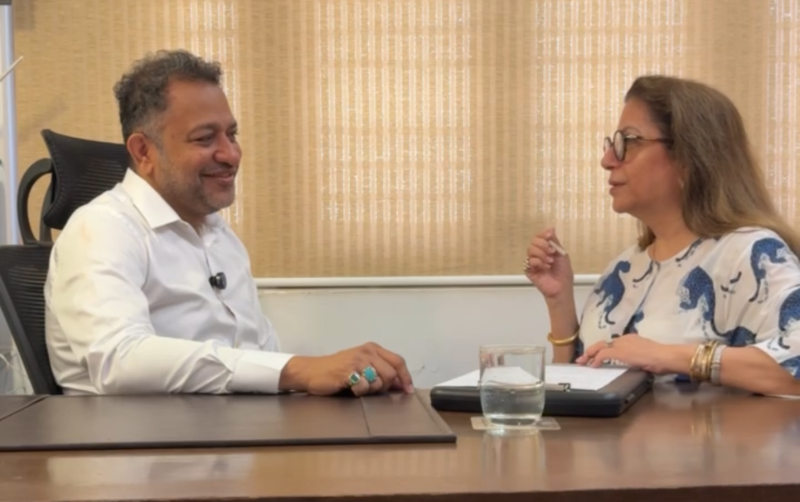

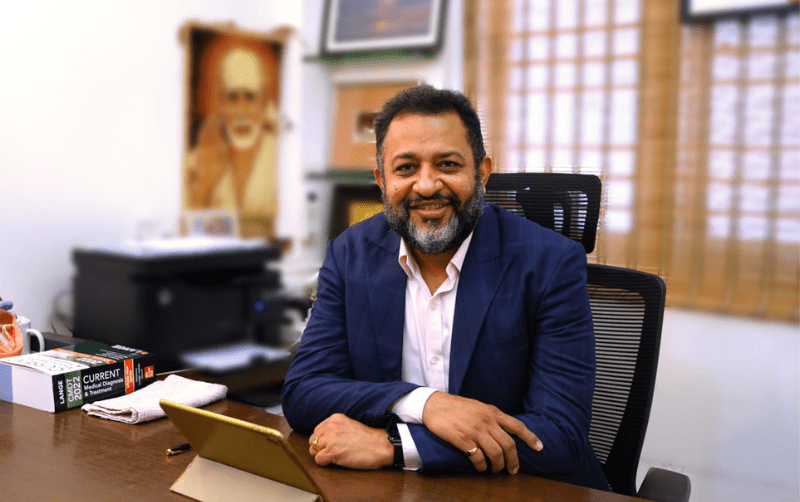
Usually, I cannot stand the word ‘Doctor.’ I grew up dreading the visit, perhaps because of the injections I had to take to go to my boarding school, which made me always go back to mixed feelings of fear, anxiety, and rage. Since then, I have met some amazing, educated individuals who have reminded me of the immense work they put in and the sacrifice and time they dedicate to saving lives, almost playing God! One such doctor who has made me think differently is Dr. Haresh Mehta, a cardiologist with 35 years of comprehensive clinical, scientific, research, and academic experience.
When he was asked the obvious question about wanting to be a doctor? He answered that it was instilled in his psyche that he would be a doctor; luckily, he also had the intelligence quotient needed to be one. Mehta was introduced to the world of medicine by his grandfather, who encouraged him to step away from his family’s coconut oil manufacturing business. Later, his grandfather, in spite of developing a heart condition, lived on, luckily, for 20 years (with his heart pumping at 20%). Mehta watched this and decided to become a doctor. He has spent years keeping hearts pumping with his sheer resilience and spirit.
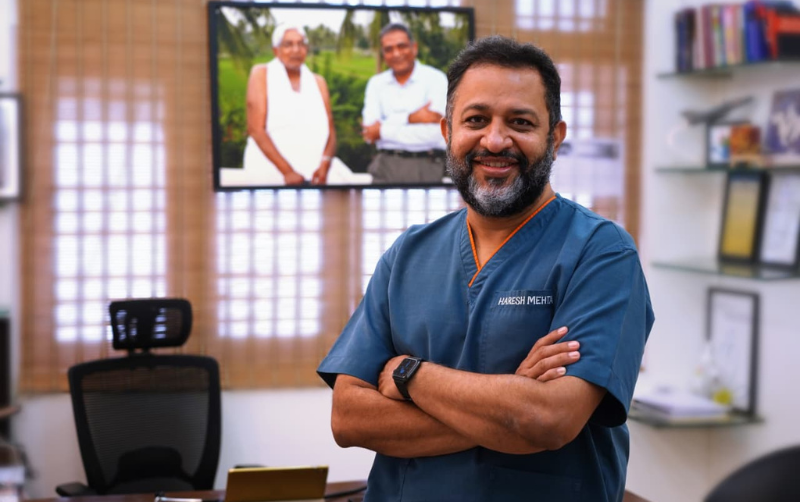
I came into contact with his expertise when he treated my husband for his heart condition and found him to be someone with global exposure to the art and science of Interventional Cardiology. Mehta is currently the Director of Interventional and Structural Cardiology at S.L. Raheja Hospital. A Fortis Associate, he is in charge of the Department’s decision-making, oversight of policies and SOPs, equipment audits, and ensuring optimal departmental performance. As a dedicated doctor, he maintains a state-of-the-art facility with cutting-edge technology, continuously enhancing patient outcomes and advancing interventional cardiology.
Not one to be stopped, he also regularly consults at Hinduja, Nanavati, BSES, Lilavati, Cumbala Hill, Breach Candy, SR, and Saifee Hospital. He treats all heart diseases. As a young student, Mehta trained at the University Hospital in Bern, Switzerland, and Lennox Hill Hospital in New York. He is still a visiting faculty member at both institutions. He has also trained in Austria and Budapest. Training abroad gave him that certain edge that a doctor needs, learning skills beyond the ordinary, how to make patients feel comfortable, without scaring them.
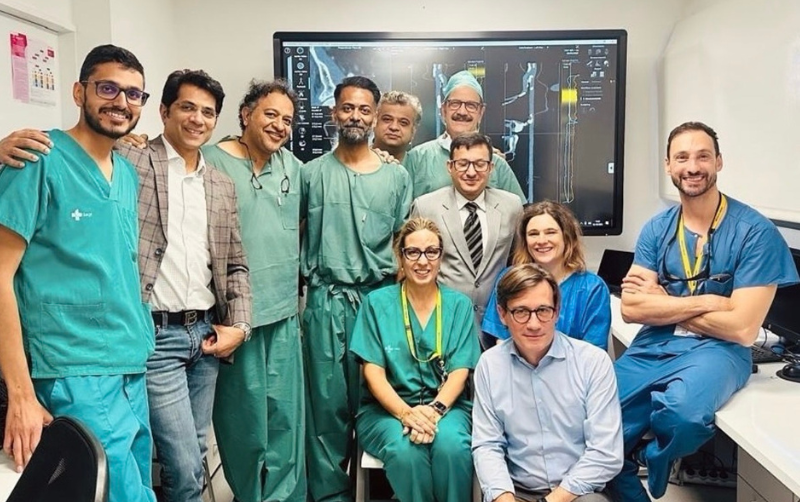
Internationally, he gives talks at medical conferences and performs live demos in which surgery is relayed to an audience in real time. Awestruck, I asked him how it felt to do all that he does for so long. He smiled compassionately and replied calmly- ‘I have been doing what I love for three decades and more, and I would not trade it for anything else. I have treated patients from around the globe, and it has been such a fulfilling journey. Simply put, what I do is not just mend broken hearts (not the romantic kind), but also fix whole blood vessels that are disrupted or whose valves are not functioning well, and we fix rhythm or breathing problems without traditionally cutting open chests.
I did understand from some patients that Mehta is pretty old School in his ways, and he agrees, ‘ My ideology was built into me by my teachers, who were not doctors but people who said whatever you do, do it with your whole heart, not just what is right for your profession’. His grandfather also told him that when a patient comes in with an insurance policy, he should realise the patient would probably need it more than he would, so he should not take that money. He was always taught to empathise with his patients and not sympathise with them. Mehta’s job demands compassion, understanding, and empathy at every level because it is about healing people, not just treating them.
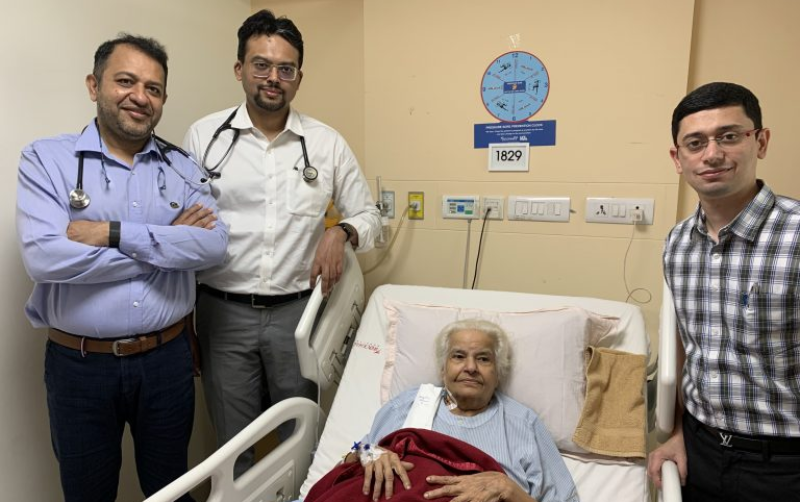
The good Doctor has some untold virtues as well. In principle, he takes a quarter of his patients pro bono, thus helping in a flawed system. The biggest challenge he faces is the cost disparity that his patients often face. He is a doctor who does more than heal; he looks for ways to help them raise funds and get them the most appropriate treatment at a cost they can afford.
Working closely with some of the world’s most renowned Interventional cardiologists (pioneers in research and innovation) has helped him to continuously refine his skills and expertise. The interventional part is the more technical part. He says there was a time when the world was ahead of us, but not anymore; we are on par globally now, yet communication skills are still glaringly lacking in this country. ‘Indian doctors are still pretty dogmatic in their views with their- I told u so’ attitude.
Mehta has an extensive grasp of nearly every aspect of Interventional Cardiology, with a career deeply rooted in medical education and research. He clearly remains dedicated to advancing innovative cardiac treatments in India and globally. Training the next generation of interventional cardiologists and bringing the latest life-saving techniques to the patients has become his forte.
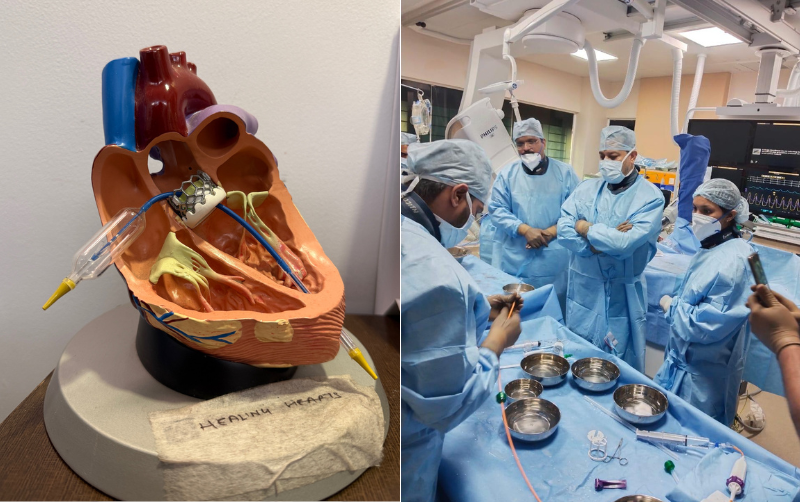
What, according to him, are the new advancements in cardiology?
He talks about his specialities, which include TAVR, TAVI, MitraClip & Structural Heart Specialist, and a recognised Proctor in Transcatheter Aortic Valve Replacement. This procedure is thankfully becoming more commonplace. It is a procedure in which they replace a valve in the body without opening anything. When one of the valves narrows, and the blood flow cannot continue as usual, they perform a procedure from the groin, which is life-changing. But since it was prohibitively expensive, it wasn’t really available in India. But Mehta and a few others (from all over the country) went to Budapest (2014), trained for five weeks, brought it back to India, and ended up as pioneers in this field.
His stumbling into meditation was through a brush with stress and the fast pace that dictated a doctor’s life. Today, Mehta has gone beyond his medical practice by offering himself as a Heartfulness Coach and practitioner, integrating mindfulness and well-being into his professional and personal life to enhance patient care and holistic health. Personally, it has helped him immensely, allowing him to stay calm and focused during all kinds of stressful situations.
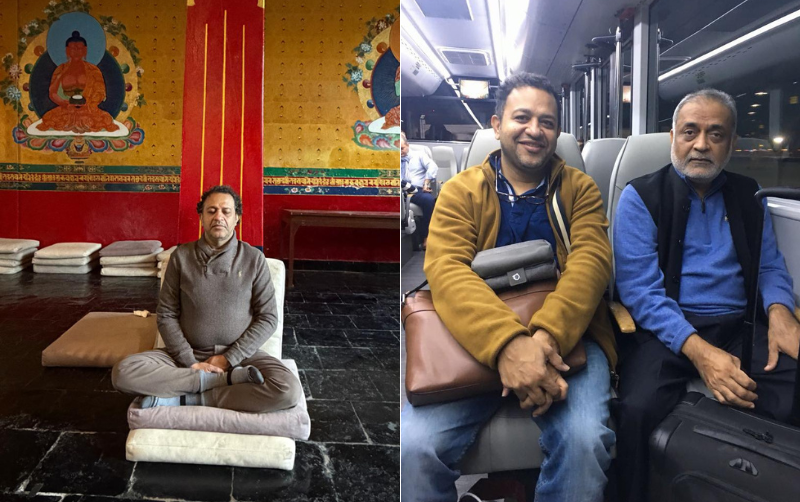
Mehta loves to travel in his free time, discovering new cities and people. Being inclined towards spirituality, his reading centres on those topics, with his guru being Daaji, the Spiritual head of Heartfulness. He is a medical trainer as well, so he helps people to turn their lives around with meditation. Of course, it’s all voluntary.
He ends with saying that India is the leader in heart diseases and diabetes, but the positive side is that the treatment options are improving, and the accessibility of care and treatment in tier 2 and 3 cities and even villages is improving exponentially, with the government lowering the prices on implants and the like, which is helping. Since the government has always been concerned only with population, healthcare has never been a priority for it. He has now succeeded in creating a team of 25 cardiologists that call themselves Healing Hearts (2007).