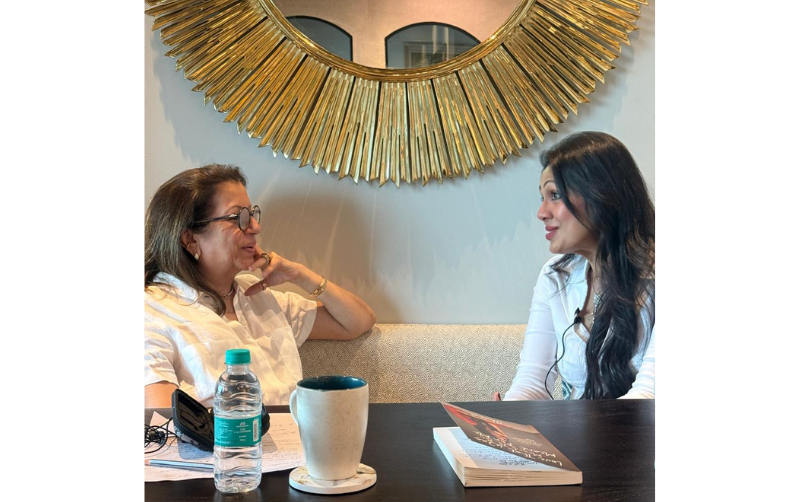


At 52, Shalanee, fondly known as Shai C, is an emotionologist (MFT), a certified Intimacy coach, and a Psychotherapist. She blends cognitive-behavioral therapy (CBT) with genuine human understanding, guiding people to break destructive patterns, shift their perspectives, and create the love they truly deserve.
Her chronology is mighty impressive. Shalanee’s life was destined in the United States of America. She has always been as ambitious as she was a go-getter. At 19, she had a staff internship at the United Nations, guiding individuals through healing and transformation. She has now something like 9 degrees since I met her in 2015 (when she was with ID8 media Solutions). She left then and, together with her husband, decided she needed to do something hybrid and spend more time with her kids. So, she then picked up where she had left off with the Model UN by becoming the DY Patil active professor, training students (over 500 in 5 years) in emotional intelligence, and reaching out to Dhirubhai Ambani and the Aditya Birla Schools as well.
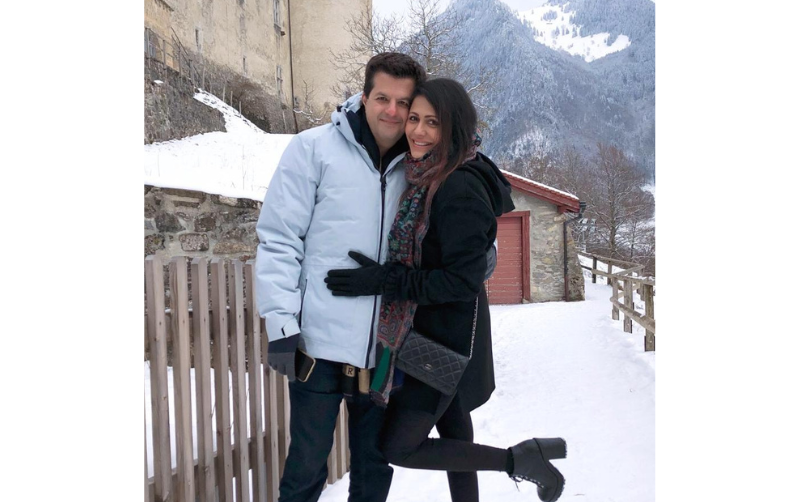
All this went well until she wanted to navigate more learning through therapy.
Someone who says it’s never too late started all her studying in her mid- forties. Having always been very academic, Shalanee found it easy to earn all her degrees one by one, and she knew exactly what she was getting into. For her, studying was always a passion with a purpose. She balanced home and family, while she did all this- ‘I was never going to become a family and marriage therapist at the expense of my marriage or my very family,’ laughs Shalanee.
So, what makes a good marriage?
“I believe that love and marriage are not nouns but verbs. What really constitutes being married is recognizing that the balance may never be equal; it’s always different percentages, one year 70/30 and another year 90/10. Even people come to me and say they would like effortless marriages; my answer is – yes- and that itself takes more effort. Listening to understand is imperative, not just listening to respond.
What then should be one’s expectations in a relationship?
I don’t need you to love me; I love myself. I don’t need you to respect me -Respect is earned (no demands). I don’t need you to value me, because I have enough value. After all, I value myself. But I do need you to be emotionally safe and connected. The biggest misconception is that a healthy marriage needs emotional connection. Untrue. Emotional connection makes for a good friendship. Emotional availability makes a healthy marriage. Also note I may have more emotional availability than my partner, but that does not mean that I’m a better partner, it just means that in the fulfilment factors and parameters, which are many in a marriage, this is a role I play a little better.’
Which generation, according to her, needs the most therapy?
The present generation, because of the ills of the availability of social media (the primary goal being one of seeking validation), is being exposed to too much too fast.
What are other trends that you notice that are coming of age around the board?
Situationships, trouples (three people in a relationship), where a man loves two women equally, or a woman loves two men equally, and are looking for direction to make it normal. They come to me to navigate, how they can deal with children who have questions about this situation. How do they deal with two moms and one dad or vice versa? No marriage, but they want to promote a family unit. Well! Signs of the times to come, obviously.
I couldn’t help but ask her about the therapies she offers most often, given that she works across more than one continent. She shares that people with mostly Anxiety and Trauma come to her. Anxiety is the one perceived element that none of us is immune to. But when it becomes a factor that actually impacts one’s executive functioning or a person’s emotional regulation, that’s when it becomes a problem. Most people who seek help are grieving something, and they need help processing what that is. Because with every challenge comes an identity loss.
‘I looked for validation growing up because it’s the general theme across the border. It came up from being an Indian growing up in America, the constant battle of not knowing where I belonged. There were definitely episodes in life, one of which was starting to date when I was very young (12). I became a relationship addict, obviously some left me heartbroken and betrayed, failed and traumatic, finally finding stability in the man I am married to today’ she sighed.
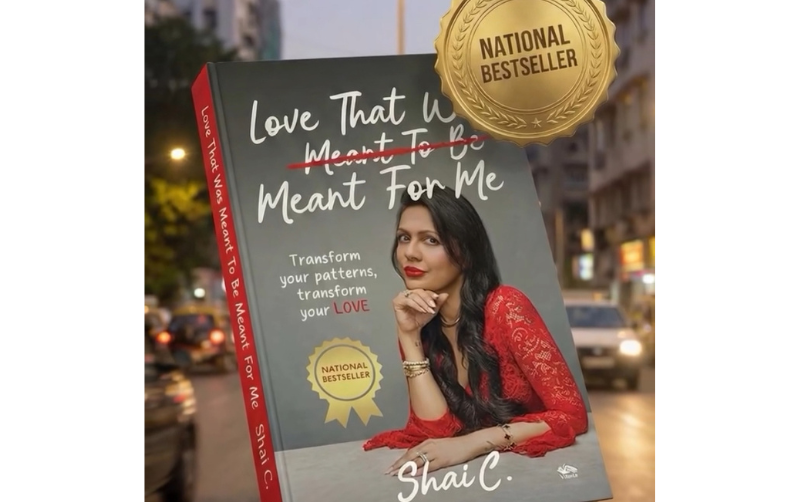
A lot of home truths combined with case studies make her new book immensely readable and relatable. It easily climbed the Best Seller lists within months of publication. It is honest and unfiltered, mixed with her personal experiences of heartbreak, self-doubt, and case studies that reveal hidden ways we sabotage love. Definitely not a book about relationships, but an endearing call to remember who one really is. People could easily learn how to turn their pain into power, quieten the voice of self- sabotage, and stop settling for ‘almost love.’
Through her consultancy, she helps individuals, couples, and families heal, rebuild, and reconnect, combining evidence-based practice with empathy. Beyond therapy, she mentors students in Model UN, debate, and academic growth. Shalanee is writing two more books while trying to finish her PhD and juggling family and her social engagements.
Her Credentials and Accreditations
Cognitive Behavioural Therapy (CBT) from NYU
Advanced Clinical Practice from NYU
Marriage and Family Therapy from Long Island University, Brooklyn
Intimacy Training from- Modern Sex Therapy Institute- Florida
Clinical Sexology-Phd in Florida